Who cares about the Baltic Jammer? – Terrestrial Navigation in the Baltic Sea Region
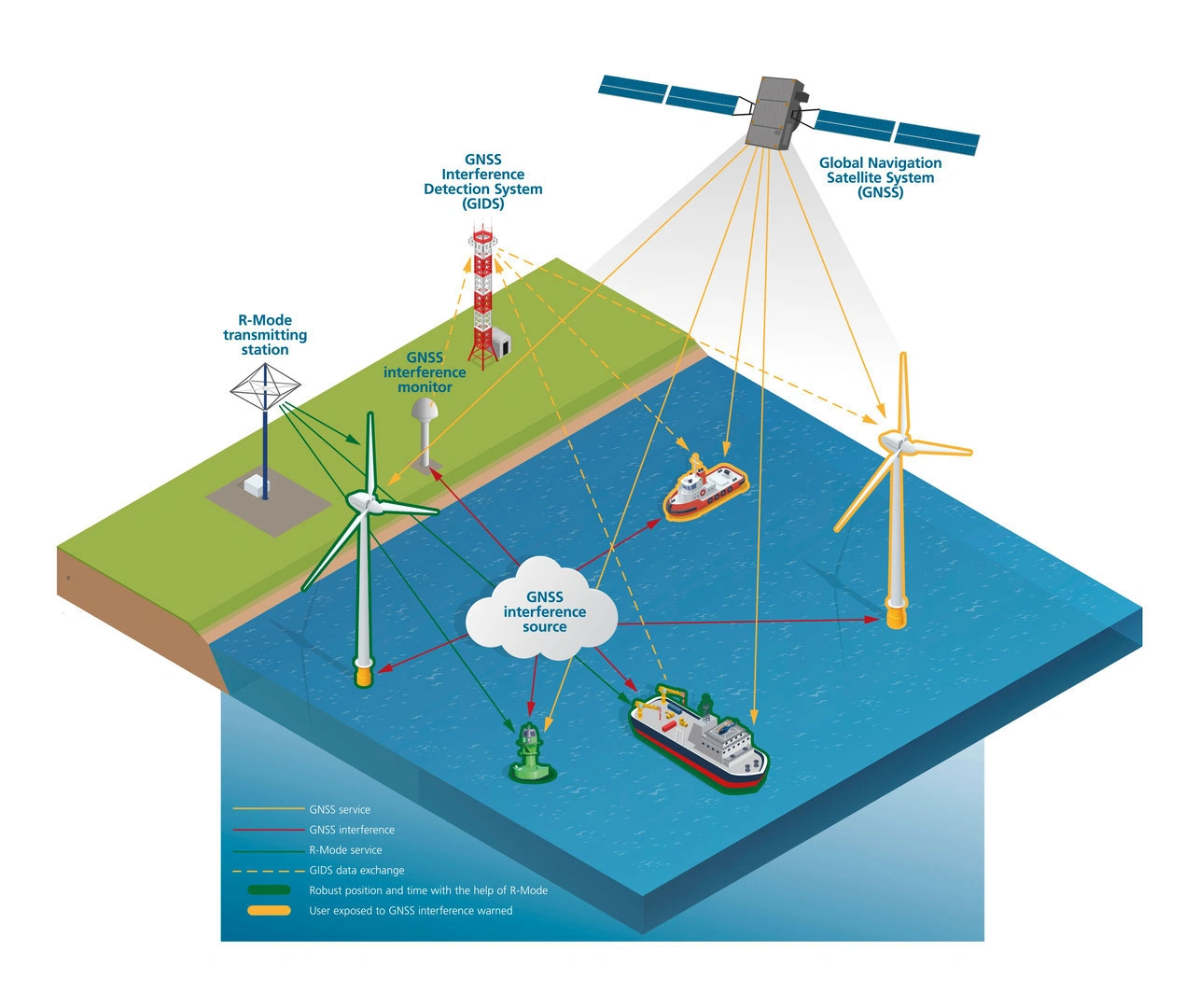
Since 2017, our team at DLR and partners across Europe have been working on an alternative to satellite navigation: R-Mode, a backup system based on terrestrial transmitters. Our main testbed spans the Baltic Sea — a region now infamous for GNSS jamming and spoofing.
We’ll start by showing what GNSS interference actually means in practice: aircraft losing navigation data, ships switching to manual control, and entire regions facing timing outages — such as the recent disruption of telecommunications in Gdańsk during Easter 2025.
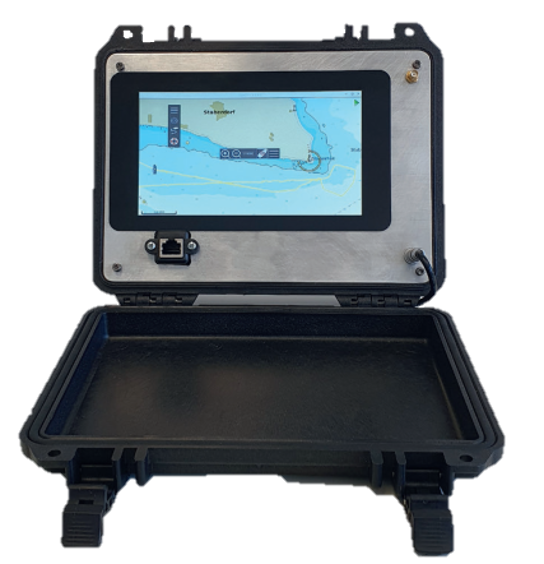
Then we’ll take you behind the scenes of building R-Mode: designing signals that can coexist with legacy systems, installing transmitters along the coast, and testing shipborne receivers in rough conditions. We’ll share personal moments — like the first time we received a stable position fix in the middle of the Baltic.
Finally, we’ll talk about perception and politics: how a “research curiosity” became a critical infrastructure project, why ESA now wants to build a satellite backup (with the same vulnerabilities), and how it feels when your civilian open-source navigation system suddenly becomes strategically relevant.
Speakers of this event
Lars
R&D Ingenieur der Satelliten over Engineered findet. Arbeitet seit 8 Jahren an terrestrischen Navigation Systemen

Niklas Hehenkamp
Niklas has been working as a research assistant at DLR in Neustrelitz since 2018, researching the propagation of medium frequency R-mode signals along the Earth's surface. He likes to geek out about Earth observation and high-frequency technology, has a talent for destroying measurement equipment, and programs primarily in Python. As a true Mecklenburg native, he is politically active against right-wing extremism after work and enjoys fishing.